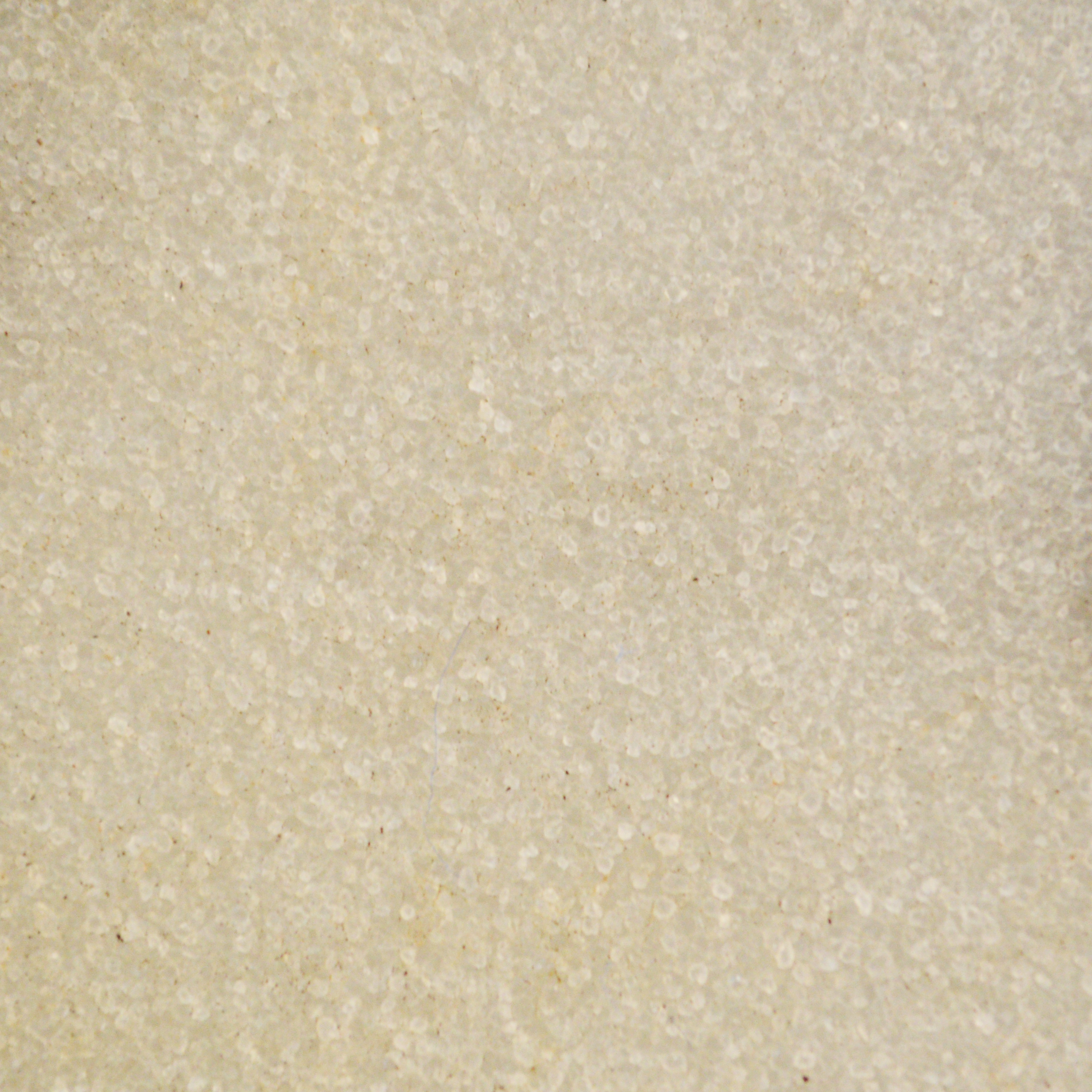
The commercial name "Carrara marble" encompasses a range of geologically and commercially distinct stone types extracted from the same mountain range. For buyers, architects, and sculptors working with the material, distinguishing between these types is not primarily an aesthetic exercise — it is a practical necessity, because the grades differ substantially in workability, vein density, durability in exposed installations, and price per tonne at quarry gate.
This article describes the principal grades as they are understood within the Carrara trade, notes the quarry basins most associated with each, and explains how stone moves through the district's supply chain from extraction to the final customer.
Principal Marble Grades
Statuario
Statuario is the highest-grade white marble extracted in the Carrara district and one of the most valued in the world. Its defining characteristics are a high degree of whiteness — measured by reflectance values typically above 90% — a fine, uniform grain structure, and a very low density of visible veining. The absence of taroli (crystalline irregularities) that Michelangelo selected for in the fifteenth century remains the primary quality criterion for Statuario today.
Statuario is extracted predominantly from the upper Ravaccione basin and from limited fronts in Fantiscritti. Annual extraction volumes are small — estimated at between thirty and sixty thousand tonnes, varying by year — compared to industrial Bianco Carrara. The majority of Statuario production is allocated to sculpture studios, high-specification architectural projects, and premium kitchen and bathroom surface suppliers. It rarely reaches the open spot market; most is sold through established direct relationships between quarry operators and regular buyers.
Calacatta
Calacatta marble shares Statuario's white ground but is distinguished by its dramatic, wide, and irregular veining in gold, grey, and occasionally warm brown tones. Where Statuario's value lies in its purity and uniformity, Calacatta's value lies in the decorative impact of its veining — a characteristic that makes each slab unique and creates matching challenges in large-surface architectural applications.
Calacatta is extracted from a limited number of fronts concentrated in the Miseglia basin and parts of Ravaccione. It is consistently the most expensive of the Carrara grades by weight, with quarry-gate prices several times those of Bianco Carrara CD. The premium Calacatta Oro variety — with gold-toned veining on a bright white ground — commands the highest prices in the district's current trade, driven substantially by demand from luxury residential projects in the Gulf states and the United States.
Arabescato
Arabescato is characterised by a denser, more complex veining pattern than Calacatta, with grey and sometimes green-grey vein networks distributed more continuously across the white ground. The name derives from its visual resemblance to Arabic decorative script — an association documented from at least the sixteenth century in Italian stone trade correspondence.
Arabescato is extracted across multiple fronts in Fantiscritti and Ravaccione and represents a substantially larger production volume than either Statuario or Calacatta. Its mid-range price position — above industrial Bianco Carrara but below premium Calacatta — makes it the preferred grade for high-specification hospitality and retail interior installations where visual impact is required but the stone budget does not extend to Calacatta.
Bianco Carrara
Bianco Carrara is the industrial grade that accounts for the majority of the district's total extraction volume. Within the grade, two commercial sub-categories dominate:
- Bianco Carrara C: A consistent white to light grey stone with fine, regular grey veining. Used primarily for bathroom tiles, floor slabs, and standard kitchen surfaces in residential and commercial construction.
- Bianco Carrara CD: A slightly more variable grade with wider veining and occasional grey patches. The dominant grade in global tile and slab markets by volume.
Bianco Carrara CD is the stone most commonly encountered in building supply chains worldwide when "Carrara marble" is specified at standard commercial price points. Its extraction comes from expanded fronts across all three main basins, with the largest operations in Fantiscritti and the lower Ravaccione.

The Carrara Supply Chain
Stone moves from quarry face to end customer through a supply chain that, for premium grades, is typically short and direct, and for industrial grades, passes through multiple intermediary stages before reaching international distribution.
Quarry Face to Block Yard
Extracted blocks are assessed at the quarry face for grade classification — a process carried out by the quarry operator's own sorters, whose decisions directly affect the price the block will realise. In the Carrara district, there is no third-party grading certification system equivalent to those used in hardwood or gemstone markets; classification relies on the sorter's trained visual assessment, which introduces subjectivity that experienced buyers account for when purchasing from unfamiliar sources.
Blocks are transported from quarry face to block yard — typically located at lower altitude near the town of Carrara or in the industrial zone of Marina di Carrara — by heavy truck on the quarry access roads. The block yard is the first point at which buyers other than established direct accounts can typically view and purchase material.
Segherie: The Sawing Intermediaries
The segheria — a marble sawing facility — is the critical intermediary between raw block and finished slab or tile. Carrara and the surrounding municipalities host several hundred segherie ranging from single-saw family operations to multi-line industrial facilities processing several hundred tonnes per day. The segheria cuts blocks into standard slab dimensions, classifies the output by internal quality standards, and either sells direct to distributors and architectural clients or consigns material to marble showrooms in Carrara, Massa, and Pietrasanta.
For buyers of premium grades, establishing a direct relationship with a segheria that has consistent access to specific quarry fronts is more reliable than purchasing through general distributors. Segherie with long-standing quarry relationships typically have priority access to better-classified blocks before they reach the open market.
Laboratori and Sculpture Studios
The Carrara district's network of laboratori artigianali — artisan studios — performs final processing: carving, polishing, profiling, and bespoke fabrication. Pietrasanta, twenty kilometres south of Carrara, is the primary concentration of sculpture studios with international reputations; Carrara itself hosts a larger number of smaller laboratori with more varied output.
Access to laboratori for outside commissions — for individual buyers wanting custom pieces — is generally through direct contact. Most studios do not operate retail premises or accept walk-in orders; relationships are established through introductions, and repeat clients receive priority allocation of the studio's available stone stock and working time. The Comune di Pietrasanta maintains a partial directory of operating studios, though coverage is incomplete.
Identifying Grade at Purchase
For buyers without previous Carrara experience, the following practical distinctions are reliable field guides:
- Statuario: pure white to very pale grey, minimal veining, fine grain visible under raking light. Priced at a substantial premium over other white grades — if offered at standard Bianco Carrara prices, the classification should be questioned.
- Calacatta: white ground, wide irregular veins in gold or warm grey, dramatic slab-to-slab variation. Confirm origin basin with supplier; "Calacatta" is a commercially used designation that is not geographically protected.
- Arabescato: continuous grey vein network on white, more even visual density than Calacatta. Often confused with Calacatta in retail settings; the vein pattern is the distinguishing feature.
- Bianco Carrara: white to light grey ground, consistent fine grey veining. The default expectation when Carrara marble is specified without grade qualification.