Carrara — Apuan Alps — Italy
Marble and Stone Quarrying in the Carrara District
A reference archive on the Apuan Alps quarry industry — covering extraction history from Roman terracing to present-day wire-saw operations, stone variety identification, artisan supply networks, and the environmental and heritage questions facing the district today.
Archive Entries
Three documented areas covering the Carrara quarry district from historical, material, and environmental perspectives.
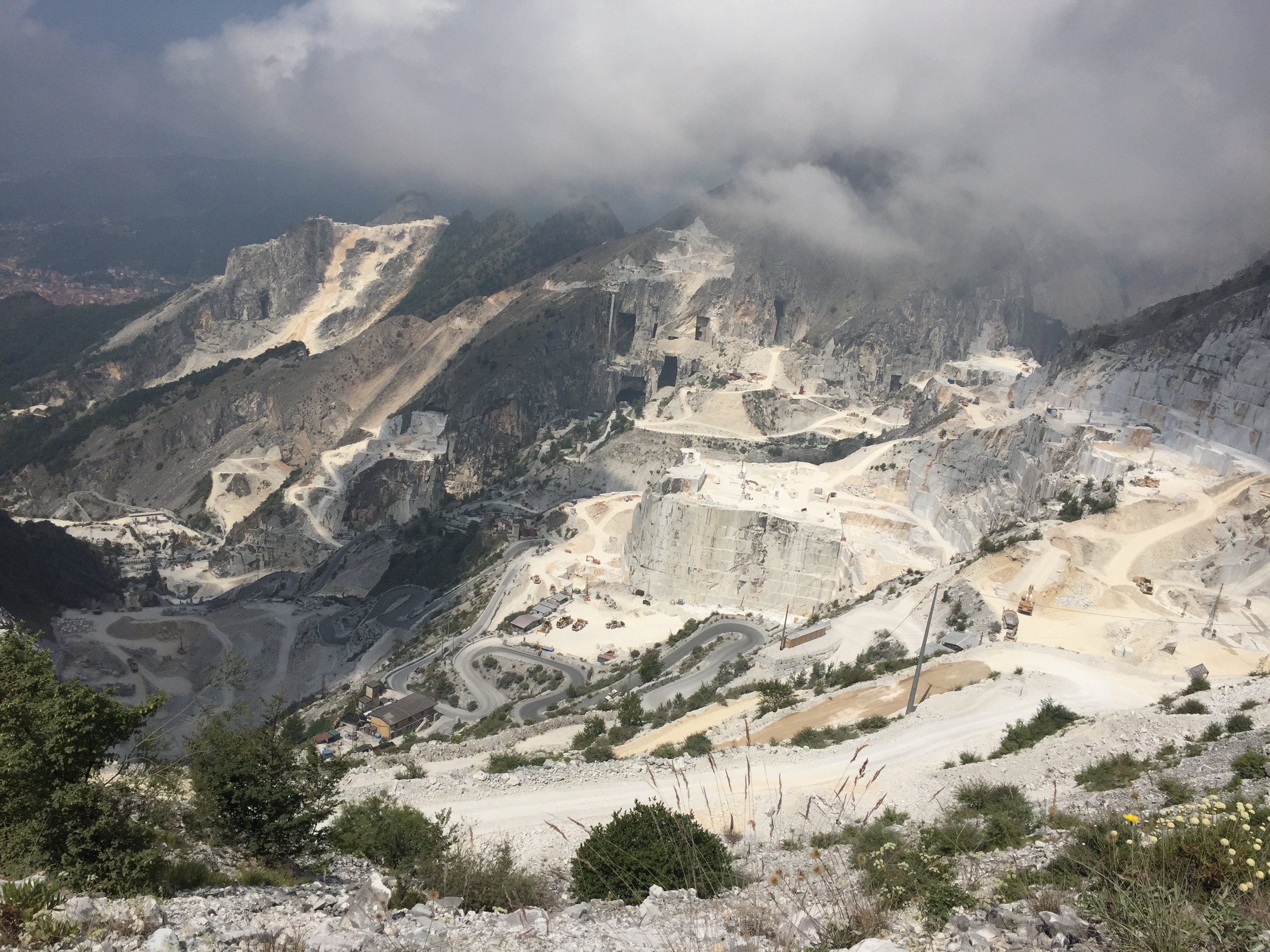
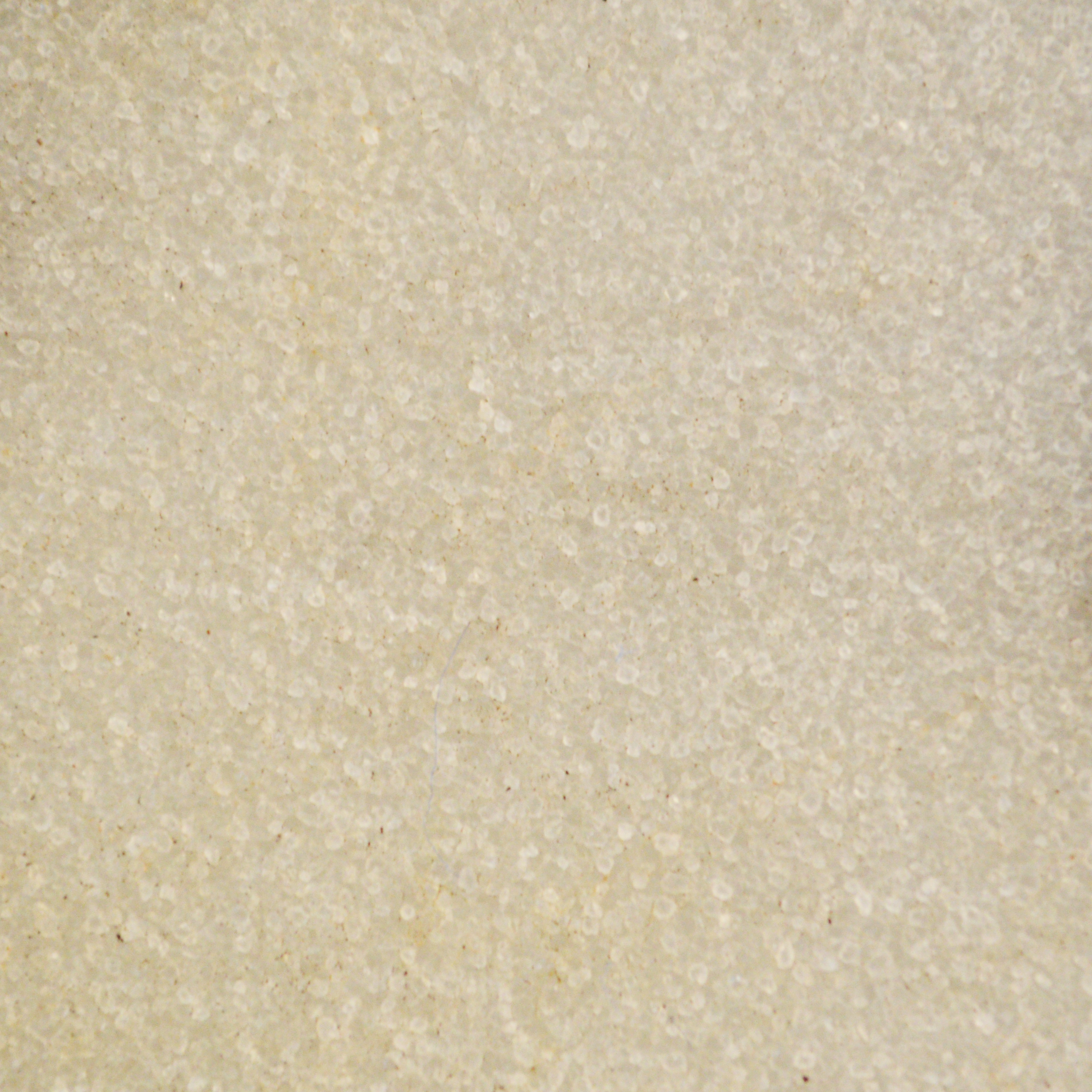
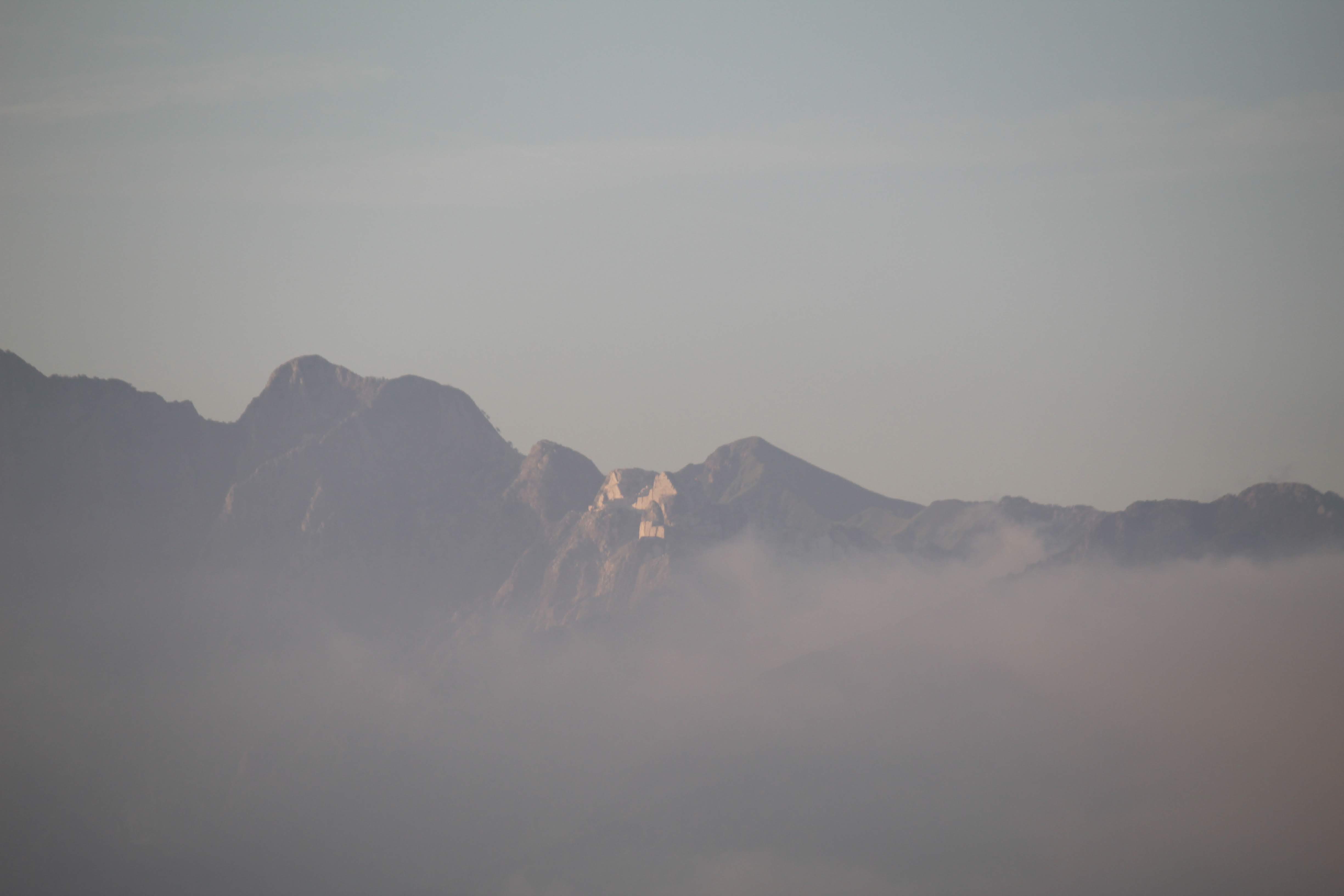
Two thousand years of continuous extraction from the same mountain range
Roman engineers first cut Carrara marble at Luna — modern Luni — before the first century BCE. The same Apuan Alps slopes that supplied the Pantheon's floor slabs and Trajan's Column reliefs are still active quarries today, operated by companies whose family ownership stretches back three or four generations. No other marble-producing district in the world has maintained this unbroken continuity of extraction across the same geography.
Read the HistoryThree Areas of Documentation
The archive addresses the quarry district across its historical, material, and environmental dimensions.

Stone Varieties
Statuario, Calacatta, Bianco Carrara, Arabescato — distinct grades with different geological origins and market positioning.

Supply Chains
From quarry face to sculpture studio — how stone moves through the Carrara district's network of tagliatori, segherie, and artisan laboratori.
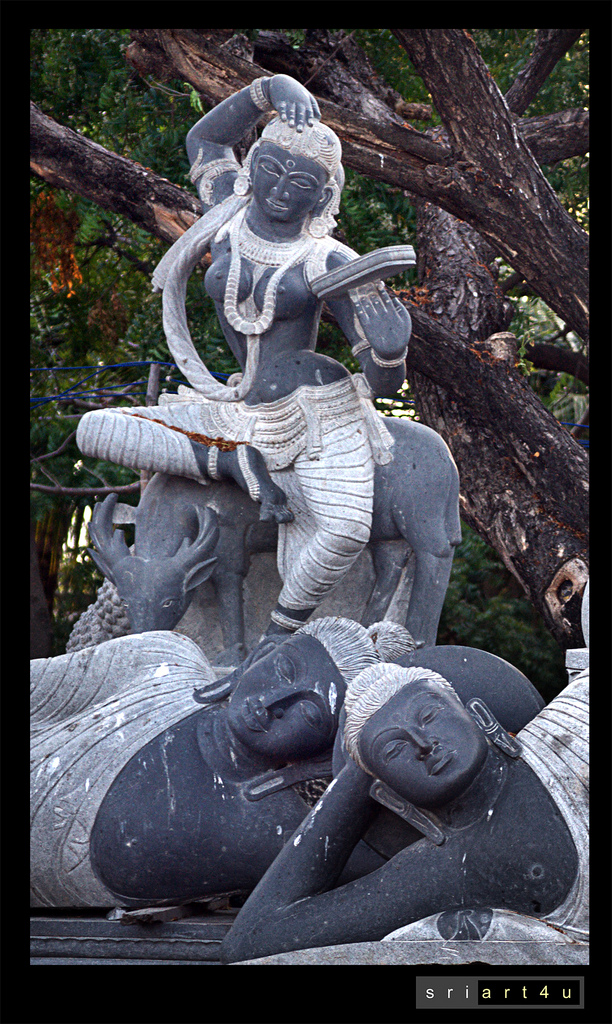
Studio Access
How to locate and visit working sculpture studios and small-scale stone processors in the Carrara, Massa, and Pietrasanta area.
The quarry district is not one industry but several operating in parallel
Large industrial operations extracting hundreds of thousands of tonnes annually for global construction markets share the same mountain range with two-person family quarries supplying a single sculpture studio in Pietrasanta. The supply chains rarely intersect. Understanding which part of the district produces which stone grade — and who controls the relationship between quarry face and end user — is the practical foundation for navigating the Carrara marble trade.
Stone TypologiesThe Fantiscritti Basin
The most historically documented of the three main quarry basins — Fantiscritti, Colonnata, and Ravaccione — Fantiscritti contains Roman-era extraction marks still visible on the valley walls alongside active extraction fronts operated today by companies including Marmi Carrara and Henraux.
Colonnata and Lardo
The Colonnata basin is unusual in the quarry district for combining active marble extraction with the village's identity as the production centre of lardo di Colonnata IGP — cured fatback aged in marble conche. The co-existence of industrial stone extraction and a protected geographical indication food product is documented nowhere else in Italy.
Ravaccione and Statuario
The highest-grade Statuario marble — used by Michelangelo and still specified by contemporary sculptors — comes primarily from the upper Ravaccione basin. Annual extraction volumes are small relative to industrial grades; the stone is allocated largely through direct relationships between quarry owners and sculpture studios.
Environmental impact and heritage protection are the defining questions for the district's next decade
The Apuan Alps Regional Park designation and UNESCO engagement with the Carrara district have raised the profile of extraction impacts — slurry contamination of the Carrione river, dust deposition on agricultural land, and the permanent landscape alteration from open-pit extraction. At the same time, the quarries support around three thousand direct jobs and represent a supply chain that underpins Italian architectural stone exports worth over one billion euros annually.
Read the Analysis